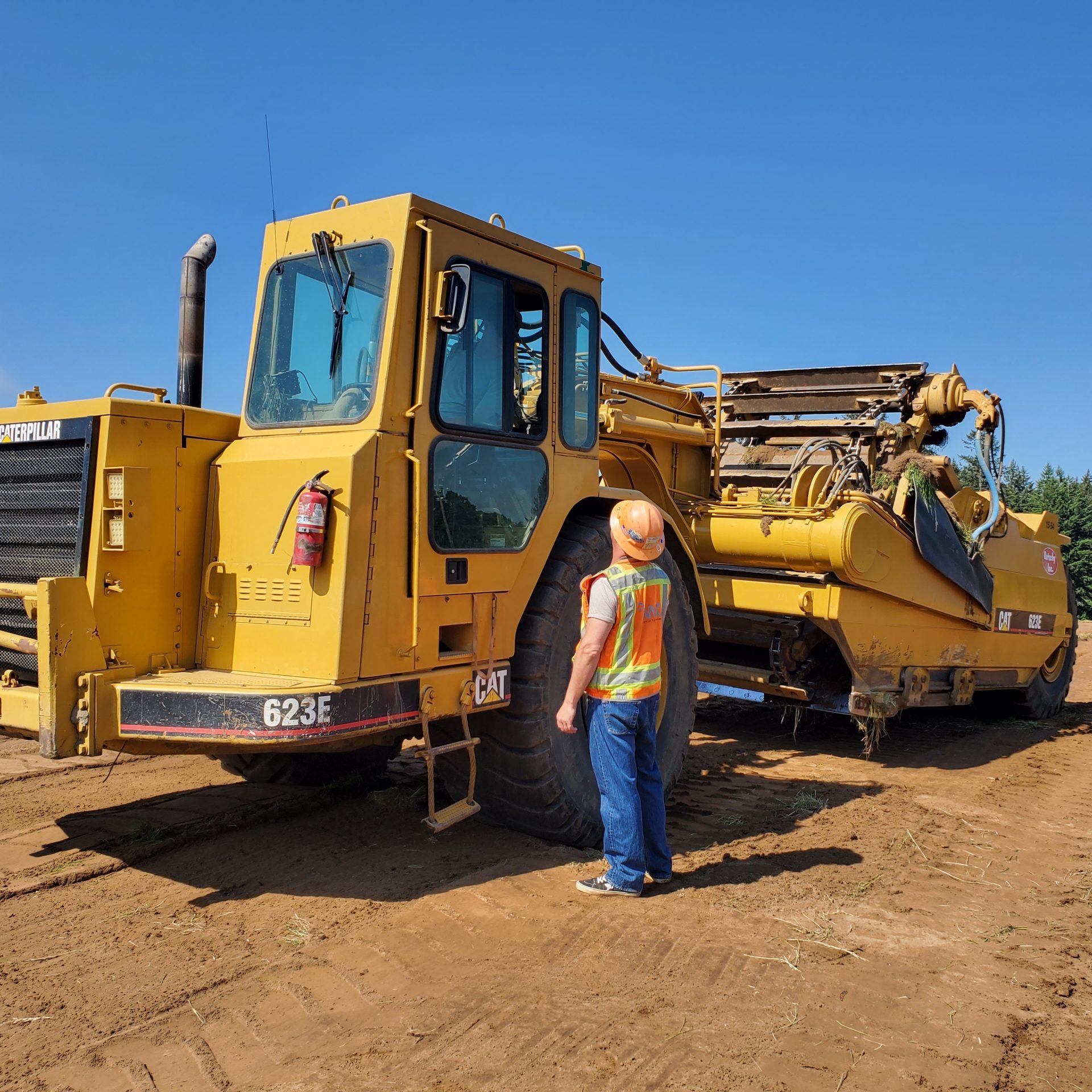
The Importance of Erosion Control for Washington and Oregon Water Quality
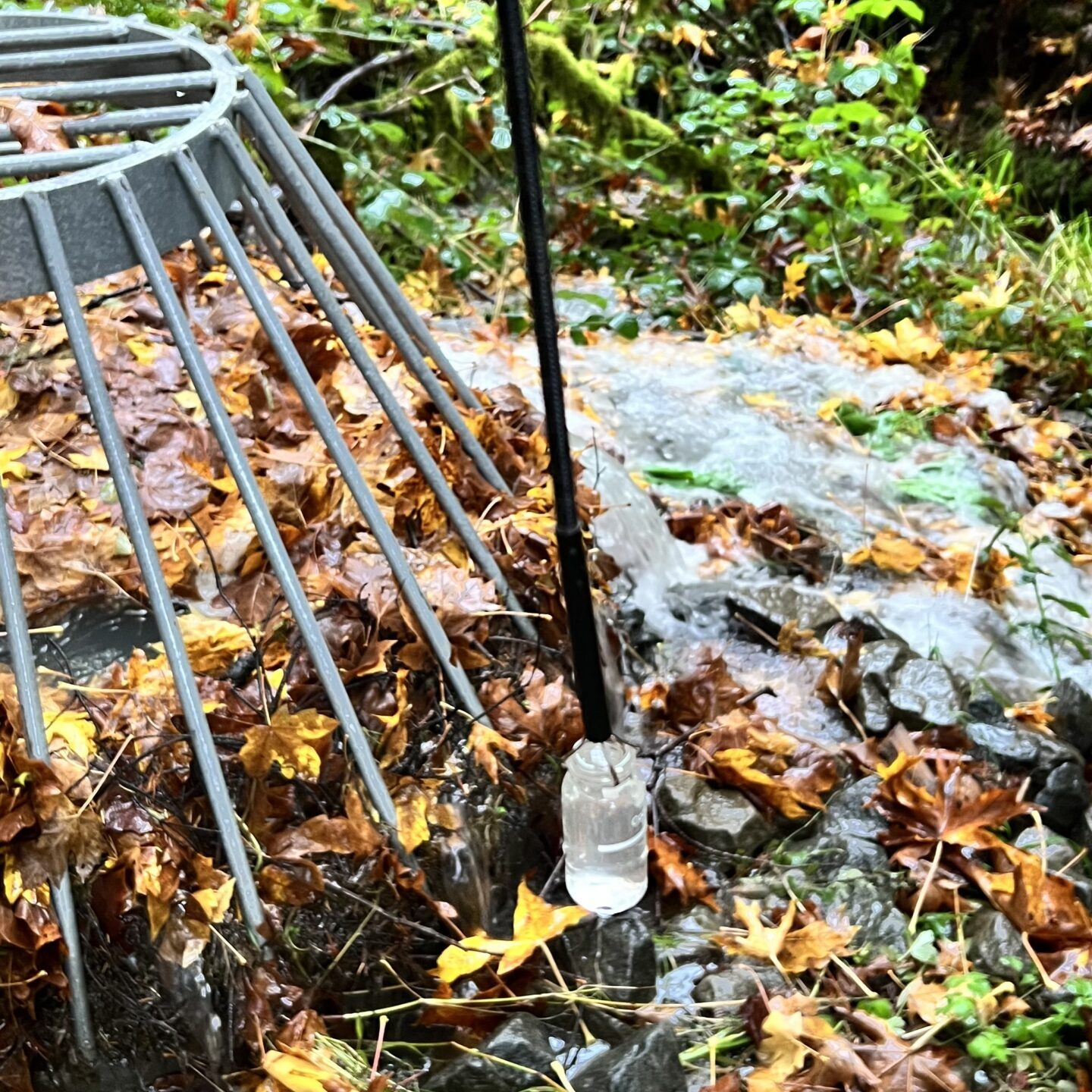
General Permit and Erosion Control Compliance is vital for preserving the natural environment, preventing soil degradation, and maintaining water quality. As the region experiences growth and development, it becomes increasingly crucial to watch for erosion and sedimentation issues that can harm local waterways, wildlife, and vegetation. Proper Erosion Control practices help protect the state and county's rivers, streams, and wetlands from sediment and pollution, preventing long-term environmental damage.
The implementation of effective Erosion Control measures also plays a significant role in maintaining local infrastructure. Eroded soil can quickly accumulate in storm drains, leading to blockages and flooding. By proactively managing erosion on construction sites and developed land, residents and businesses can help reduce the need for costly repairs and maintenance on roads, bridges, and public utilities.
Lastly, proper Erosion Control can lead to positive economic outcomes for the counties. By preventing siltation in waterways, the county can maintain recreational attractions such as fishing, boating, and wildlife watching, which contribute to local tourism and the overall quality of life. Moreover, it helps preserve valuable farmland and other natural resources, ensuring a sustainable future for the region.
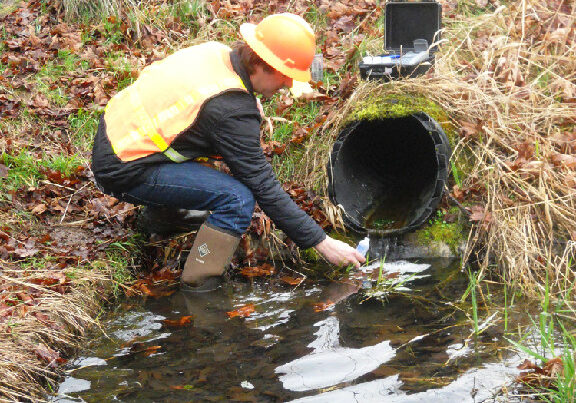
State & County Commitment to Environmental Protection
Washington and Oregon are deeply committed to preserving and protecting its natural environment, aiming to strike a balance between responsible development and conservation. The States implement various programs and regulations aimed at safeguarding local ecosystems, minimizing the environmental impact of construction projects, and promoting sustainable land use practices.
One vital aspect of this commitment is ensuring best management practices for erosion control and soil stabilization are followed throughout the counties. Through comprehensive permitting, inspection, and enforcement efforts, these counties strive to reduce sedimentation and pollution in waterways, protect wildlife habitats, and maintain the overall quality of local natural resources.
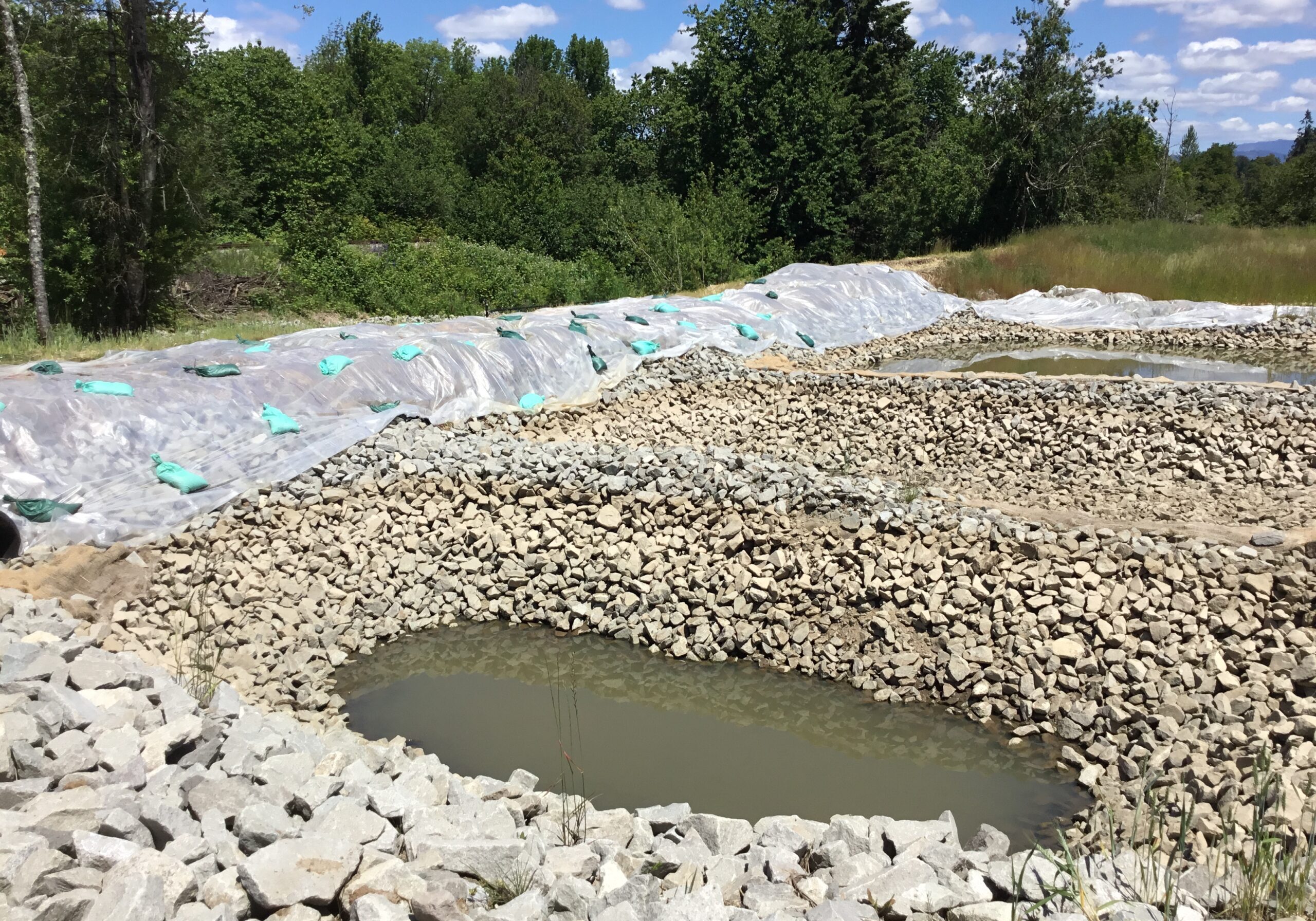
Regulations and Permitting for Erosion Control
There are specific regulations and permitting processes in place to ensure that Erosion Control requirements are met for construction and land development projects. These regulations are designed to maintain consistency and compliance with the National Pollutant Discharge Elimination System (NPDES), the county code, and other relevant local and state environmental laws. The regulatory body in Washington State is the Department of Ecology (DOE); in Oregon State the Department of Environmental Quality (DEQ).
Developers and contractors must obtain the appropriate permits and certifications before beginning a project that involves soil disturbance or has the potential to impact local water quality. For example, large parcel construction projects require certified erosion and sediment control personnel who have completed approved courses through the Washington State Department of Ecology.
Complying with Erosion Control and Soil Testing regulations not only helps preserve the state and county's environmental integrity but also helps developers avoid costly fines, delays, or legal repercussions. Failure to adhere to these requirements can result in penalties, including stop work orders, fines, and even criminal charges in severe cases. Thus, it is vital for any individual or business undertaking construction or land development familiarize themselves with the applicable regulations and permitting processes.
General Permit and Erosion Control Requirements for Projects Over 1 Acre
In the Washington State, projects that disturb more than one acre of land or less than one acre of land with the potential to discharge to waters of the state, are required to have a Stormwater General Permit in place. This is in accordance with the National Pollutant Discharge Elimination System (NPDES) requirements, as well as county code. An Erosion Control Plan lays out the necessary measures to prevent soil erosion, sedimentation, and stormwater runoff.
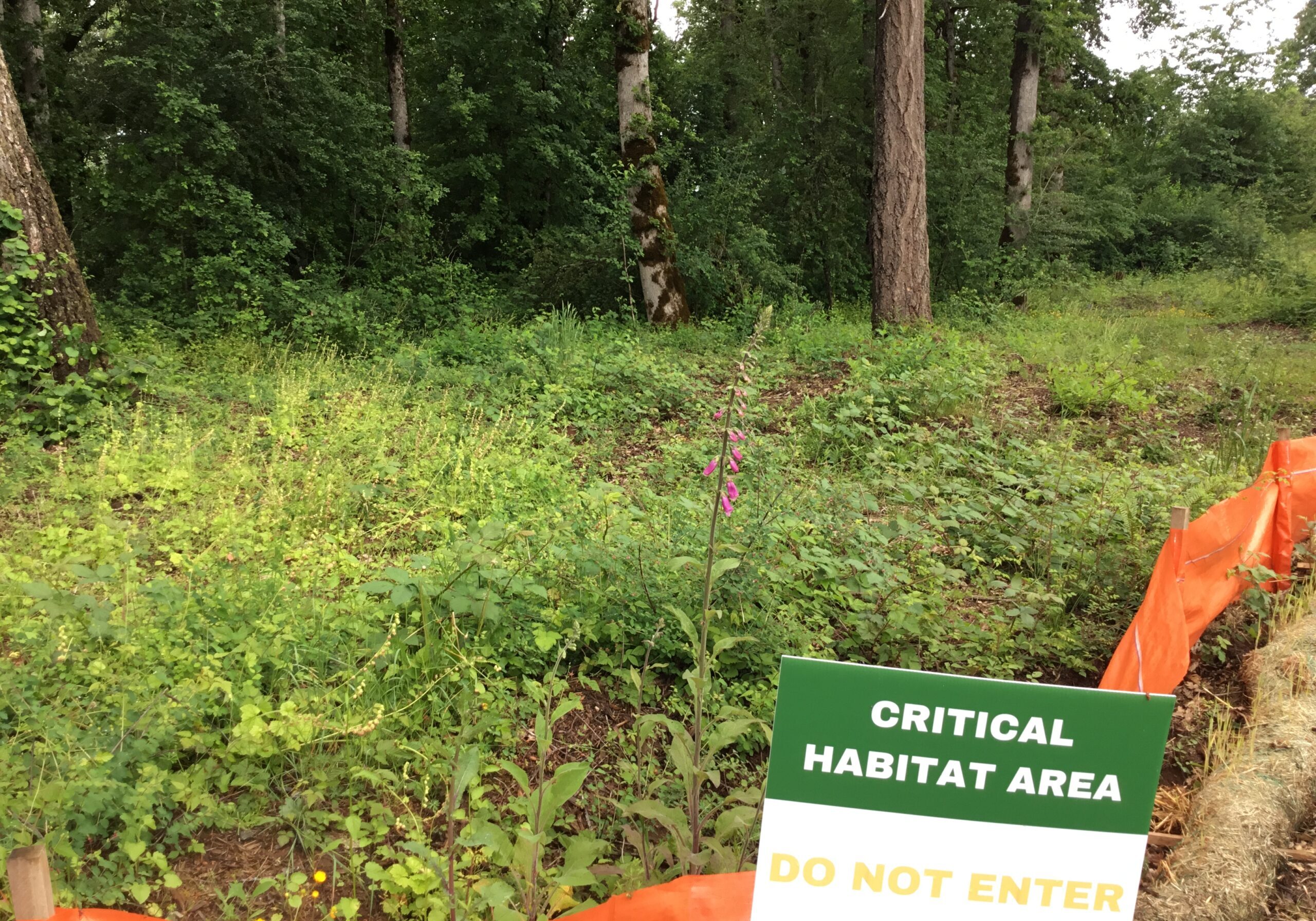
How to Choose an Erosion Control Compliance and Geotechnical Consultant
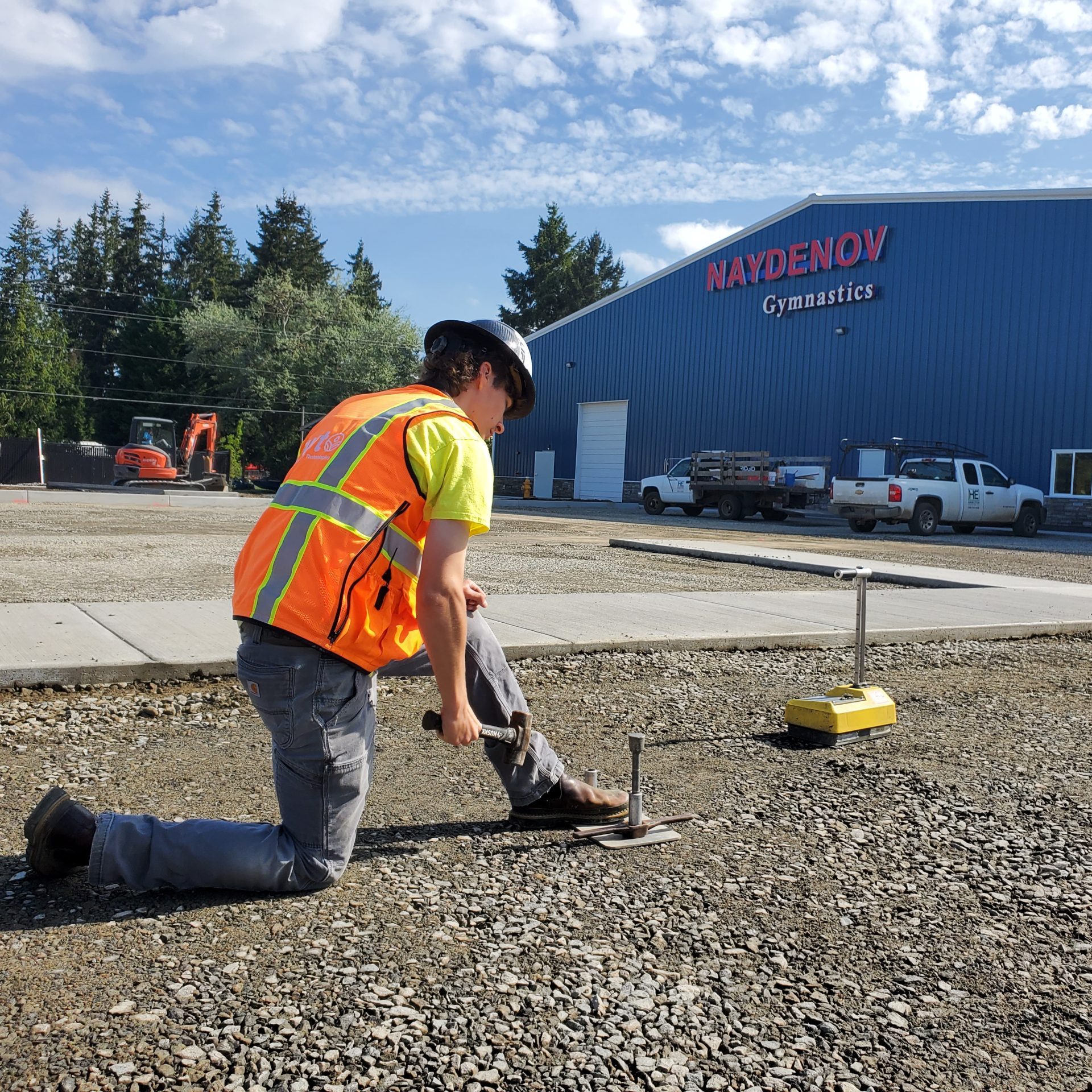
Choosing the right Erosion Control and Geotechnical consultant is crucial for ensuring your project's compliance with State regulations. There are several factors to consider when selecting a consultant. First, ensure they are certified and accredited or has the necessary certifications for single-family permits (small parcel development under an acre). This ensures they have the required knowledge and expertise to effectively manage erosion control and soil testing on your project.
Second, seek out referrals and recommendations from others with experience in similar projects. Consult with professionals in the development industry or reach out to the Building Industry Associations for a list of certified members who can act as your erosion and sediment control person. Reviewing past projects and client testimonials can also provide valuable insight into a consultants performance and reliability.
Finally, discuss your project's specific needs with potential contractors, evaluating their proposed solutions and processes for managing erosion control and soil testing. Ensure they have a clear understanding of State and County regulations for best managed practices,
We do what you need done
- NPDES Permitting, National Pollutant Discharge Elimination System (NPDES), EPA.
- Turbidity Testing & PH Testing
- Erosion & General Permit Compliance Inspection (CESCL)
- State & Federal Agency Correspondence
- Slope Stability Analyses
- Site Reconnaissance
- Geotechnical Engineering Studies
- Retaining Wall Design
- Deep Foundation Design
- Micro Pile design
- Helical Earth Anchor Design
- Infiltration Testing
- Soil Science
- Soil Laboratory Testing
- Streambank Restoration
- Compaction Testing
- Special Inspections
- Concrete Testing
- ACI, American Concrete Institute
- Reinforced Steel Inspection
- ASTM, American Standards Testing Methods.
- Construction Monitoring
- Earthwork Construction
- QC, Quality Control
- QA, Quality Assurance
- Compaction Testing
Trusted By Our Industry


We are in the field with you